Grizzly Bear
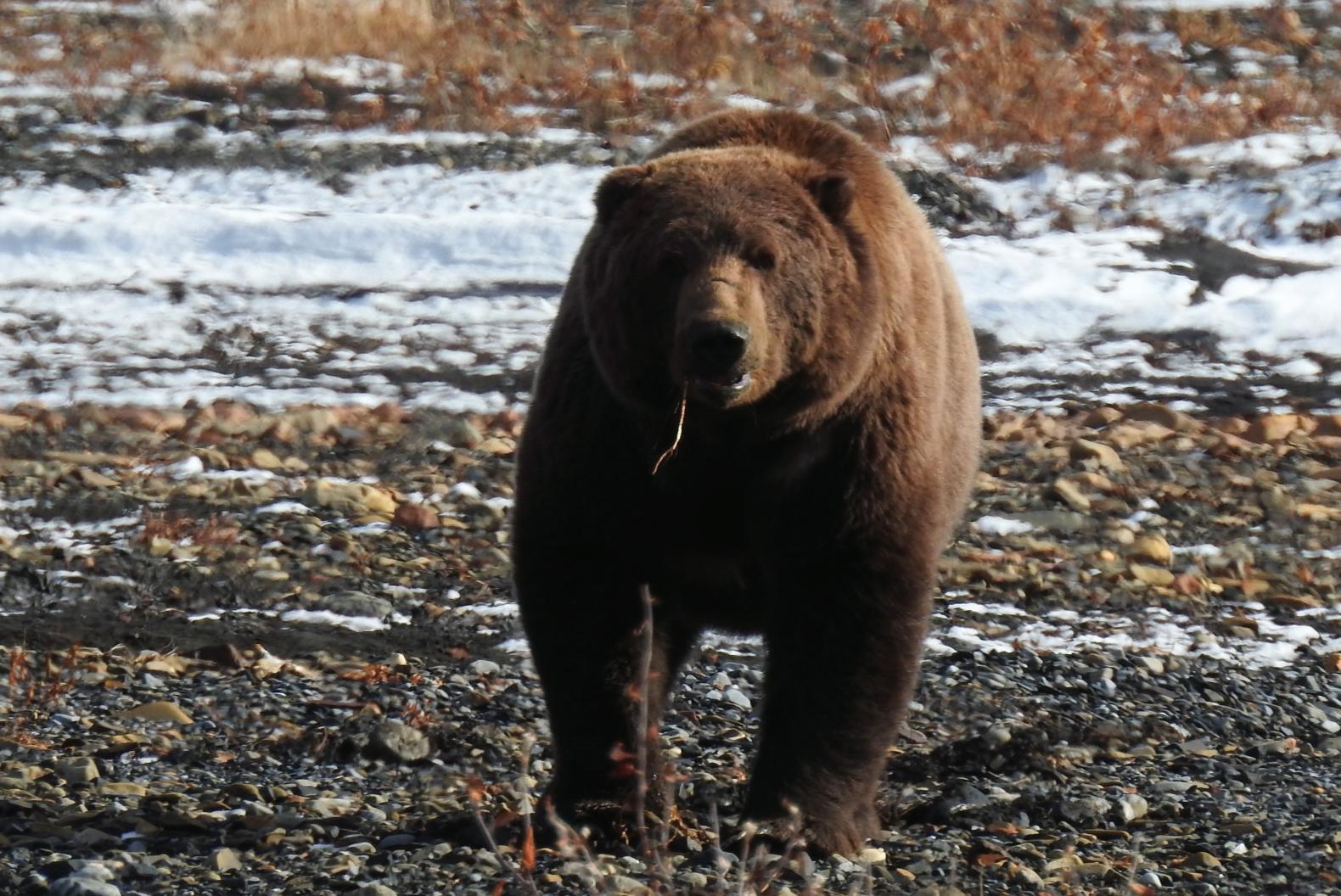
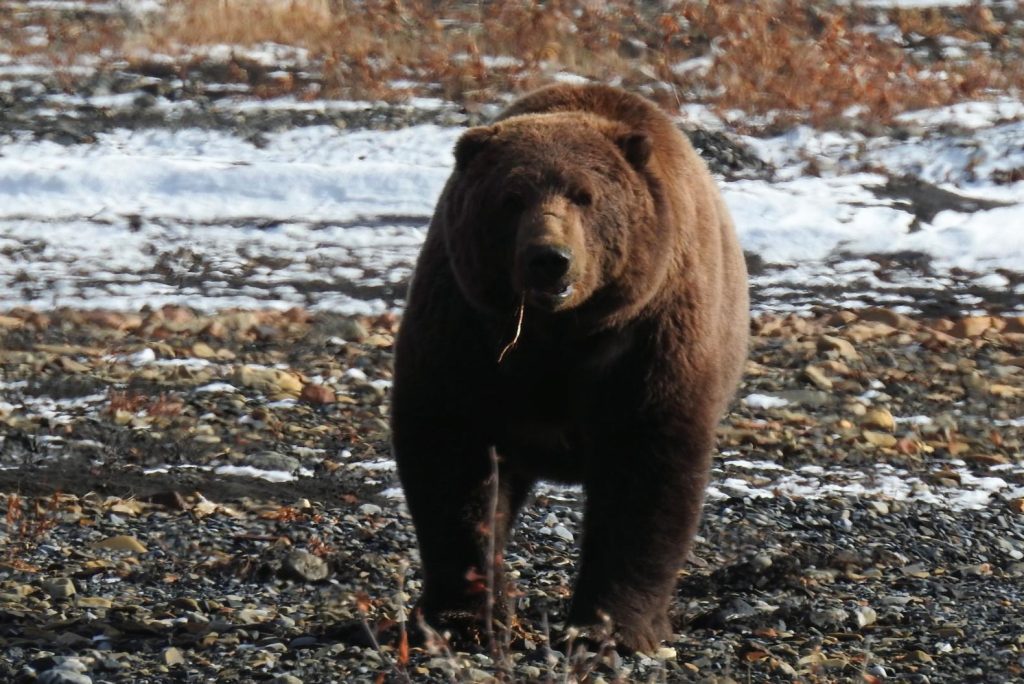
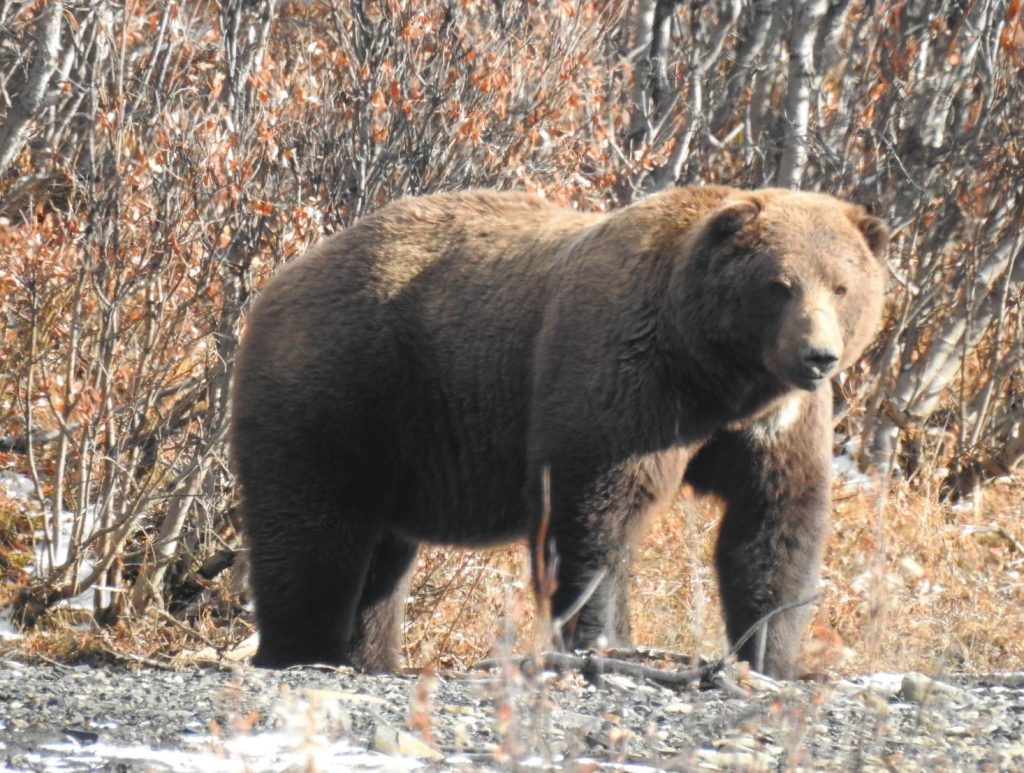
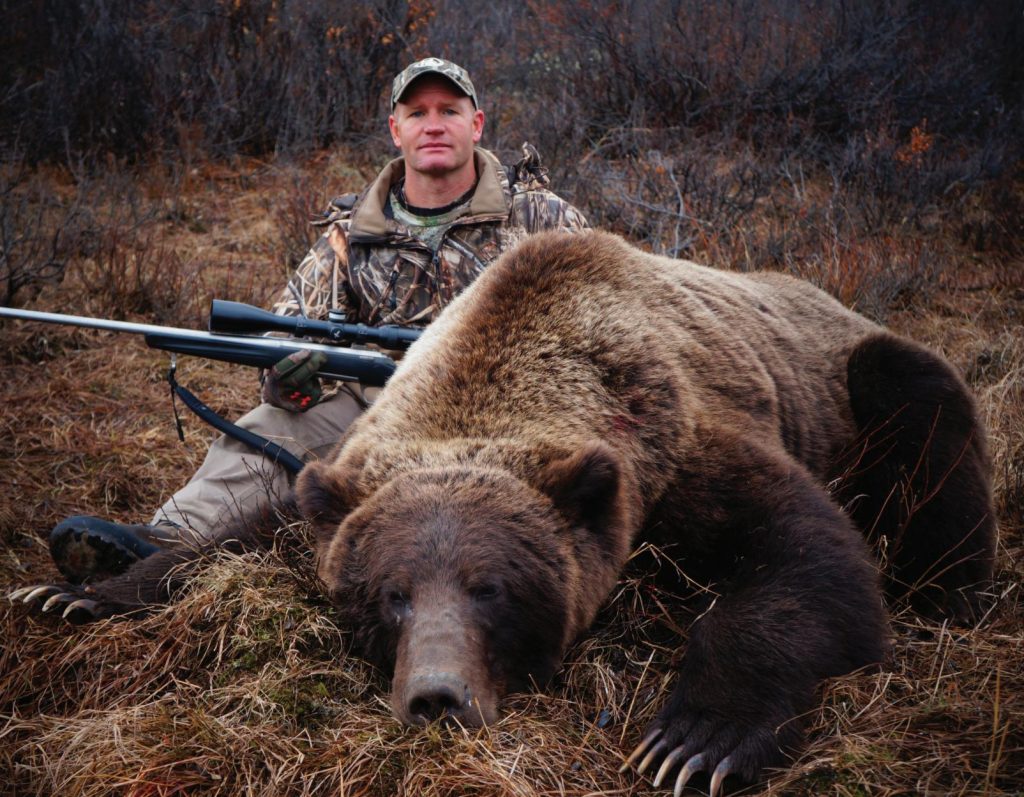
Grizzly can be found throughout the area in almost all types of terrain. These bear are Interior Mountain Grizzly, and are slightly smaller than their salmon eating cousins to the south. They come out of hibernation in May and travel the valleys extensively in search of food. During the fall season they can be found along the gravel bars of major rivers or on the higher alpine slopes above.
HUNT DATES
Grizzly may be harvested throughout the entire season, based on quota availability.
Contact for availability and pricing.
Grizzly can be found throughout the area in almost all types of terrain. These bear are Interior Mountain Grizzly, and are slightly smaller than their salmon eating cousins to the south. They come out of hibernation in May and travel the valleys extensively in search of food. During the fall season they can be found along the gravel bars of major rivers or on the higher alpine slopes above. Their food consists of berries, roots, ground squirrels, marmots, moose & caribou calves, insects, carrion, and just about anything that is edible.
Grizzly are predators at the very top of the food chain. They have a low reproductive rate compared to other species such as moose, caribou or sheep. Each individual bear requires a large territory to survive. The quest for each grizzly is finding enough food in the summer and fall to put on a thick layer of fat. This enables the bears to successfully survive the seven months of hibernation in their dens.
Given the relatively low population, all of the Yukon is on a limited quota for grizzly hunting. The Yukon Department of Environment has had an excellent record of grizzly bear management over the years. Our outfitting concession is allotted a quota of fifteen bears over three years. We focus on trying to harvest only older, mature male bears. This has contributed to a stable population and a bright future for limited grizzly hunting. It should be understood though, that the overall success rate for grizzly hunting is much less than for the other three main game animals in this area.
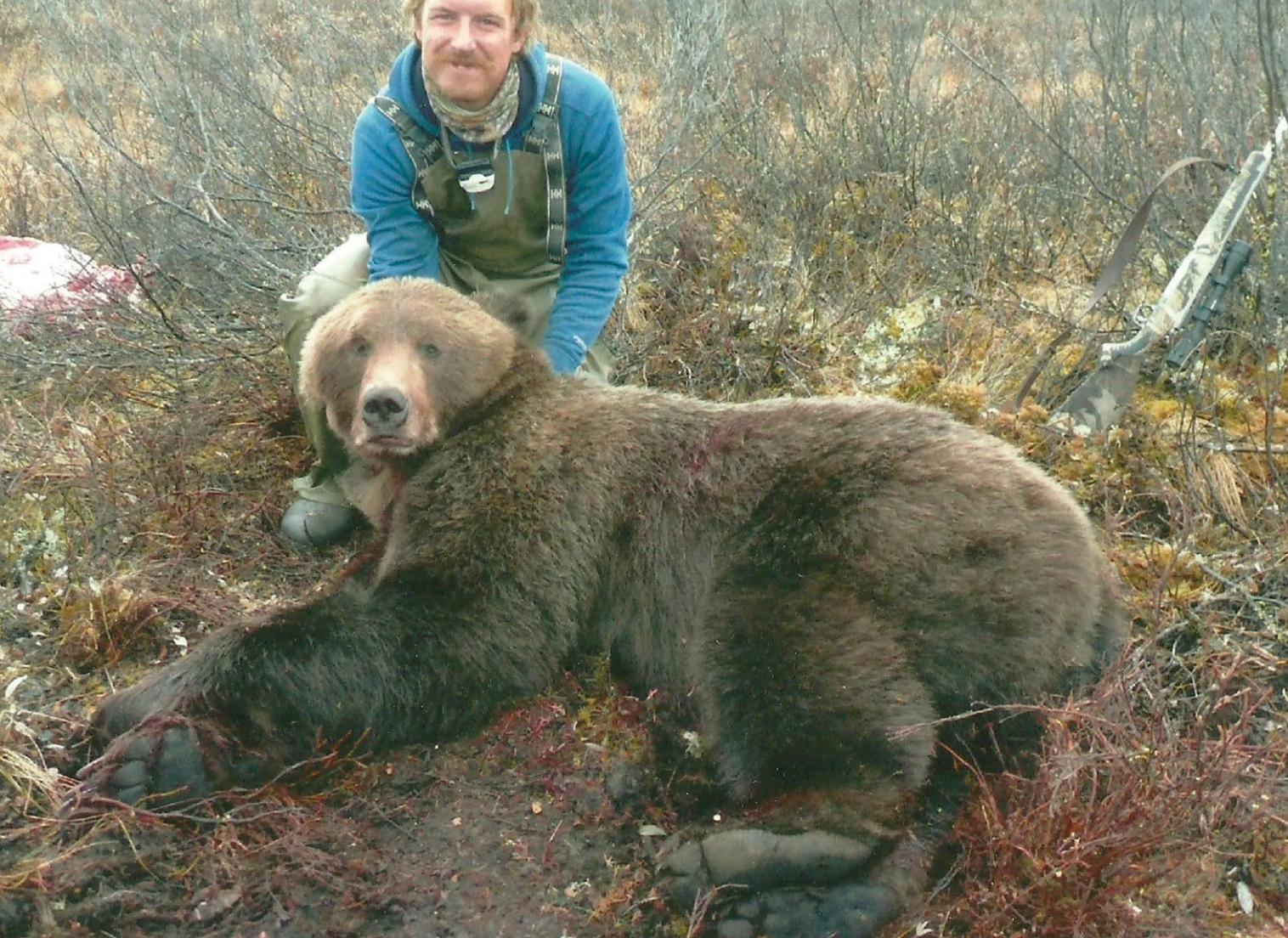
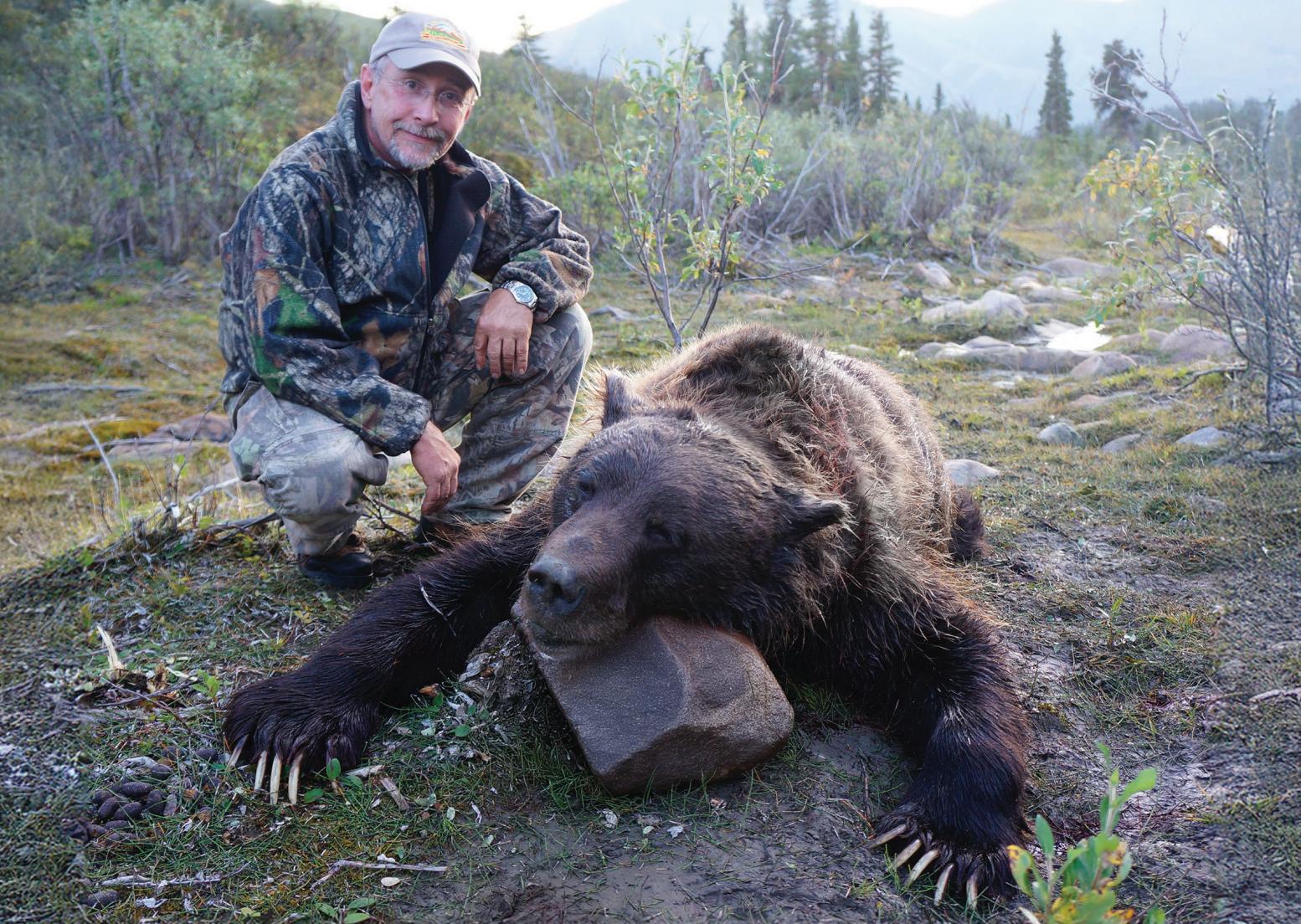
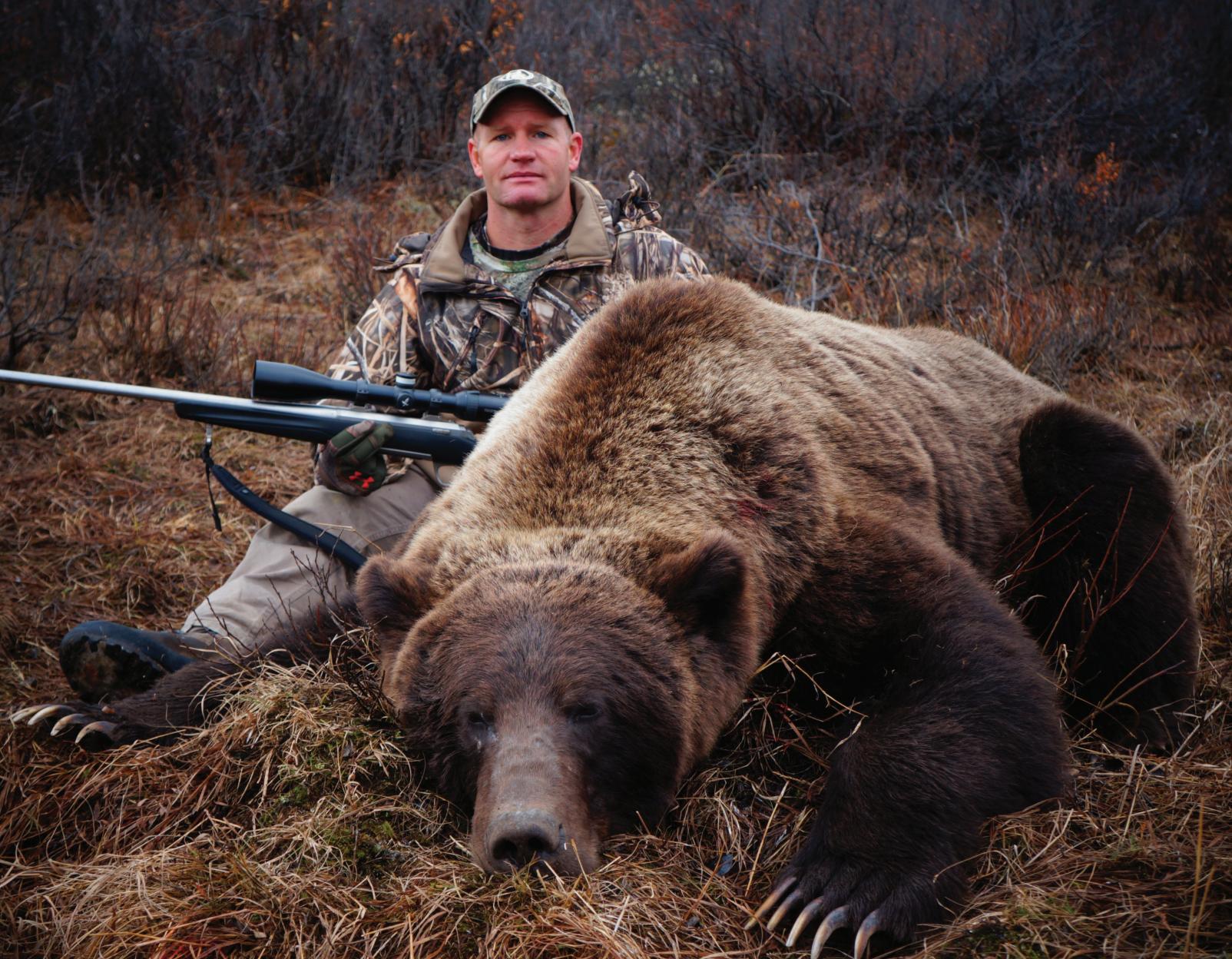
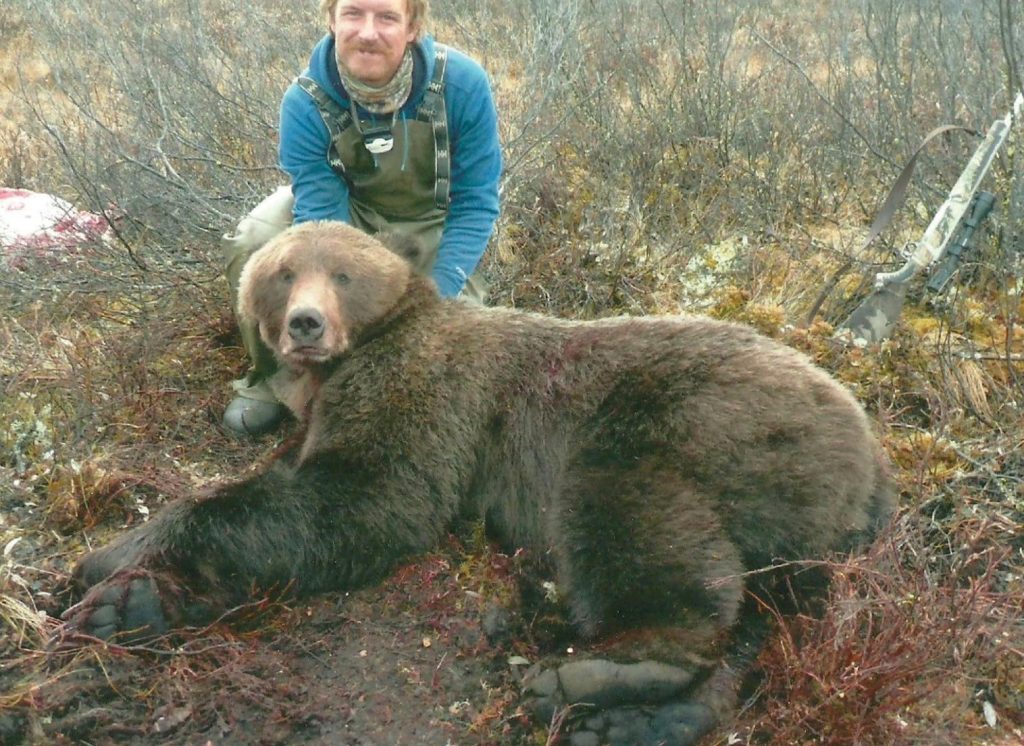
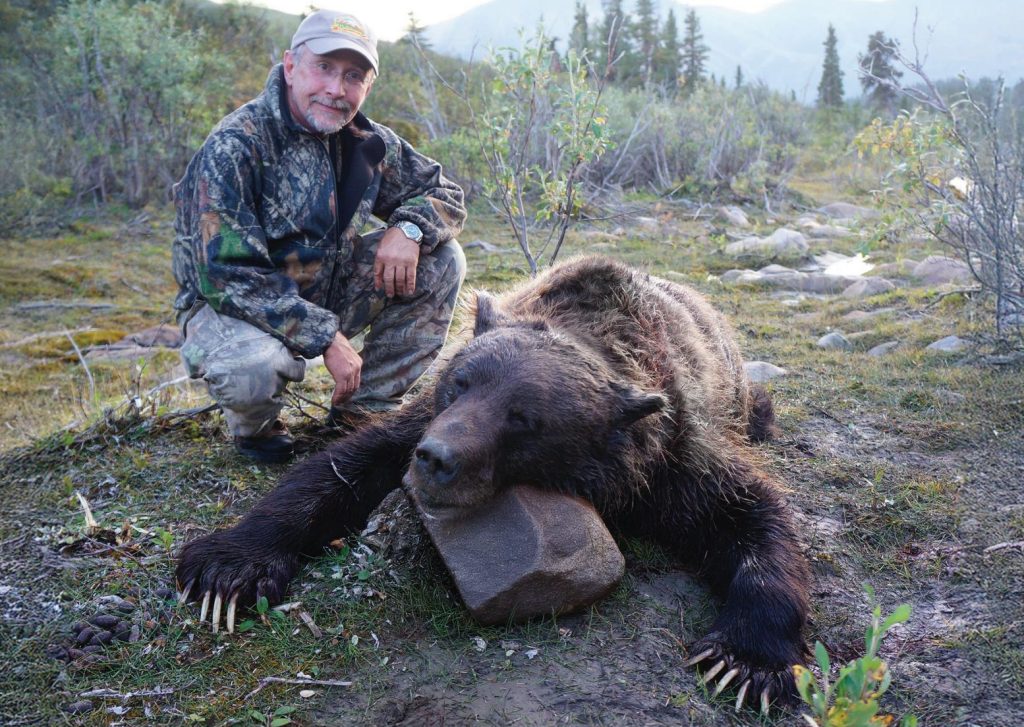
Grizzlies are sighted on almost all hunts in August and September. It is not uncommon to see six or more bear on one hunt. Many are sows with cubs or younger grizzly. Only mature, male grizzly are of decent size for a trophy. The average size of a mature male grizzly hide will square seven feet, with the occasional bear going eight feet. Skull size is good, and you can expect to harvest a grizzly with a skull between 23 & 25”. There is a tremendous variation in color among our grizzly population, from coal black, to silvertip, to yellowish blond. We have never taken an unprime grizzly pelt (probably due to the fact we are in the northern Yukon not far from the Arctic Circle).
The majority of our grizzly hunts are conducted on a first come first served basis. Those who desire to have a grizzly tag may pay for it up front, and are guaranteed the chance to hunt a grizzly. Those others who are interested may have a tag in their pocket, and pay a harvest fee if a grizzly is taken, although they are not guaranteed a tag if the quota is met before their hunt starts. This will be determined by the outfitter beforehand. If in the event multiple hunters have grizzly tags during a hunt, but the quota is met during that timeframe, the remaining hunters must pocket their grizzly tag and thereafter are unable to hunt a grizzly once told so. There is no variation from this principle. All guides will carry backup rifles while grizzly hunting for protection and to aid in the secure harvest of these powerful animals to prevent wounded game from escaping.
Other Hunts

California Bighorn Sheep

Dall Sheep

Alaska-Yukon Moose

Caribou

Mule Deer

Grizzly Bear

Black Bear

Cougar

Wolf